Electromobility in business: The example of Megalift
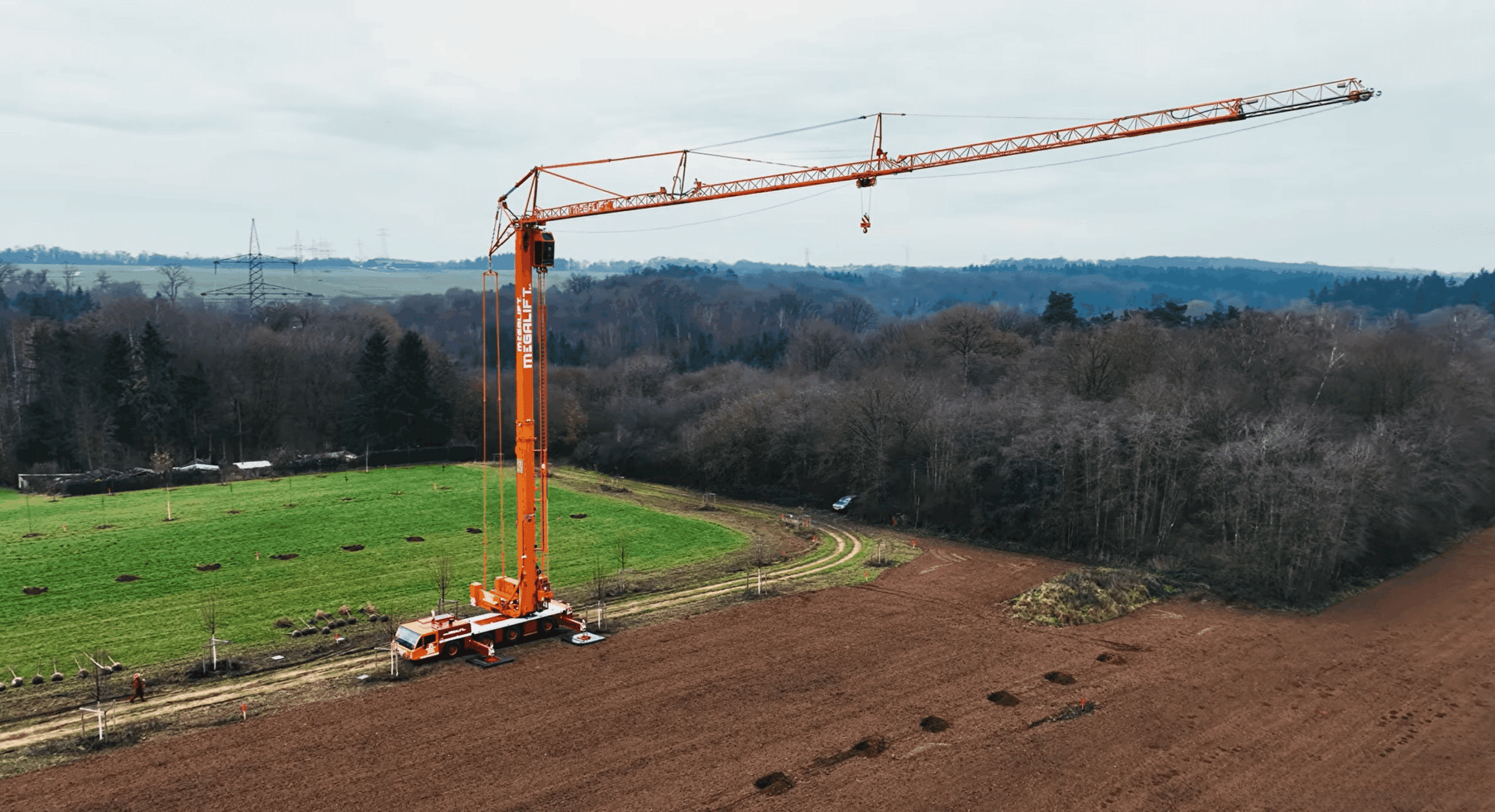
Megalift S.A. originates from Transport Roger Schackmann, founded in 1972 in Ermsdorf (Luxembourg) by Roger Schackmann. Initially active in forestry work and timber transport, the company gradually expanded its activities, notably into international freight transport from the 1980s onwards.
In 2002, the company Arendt & Schackmann was established in Colmar-Berg. Four years later, in 2006, Leo Schackmann took over the cranes and lifting equipment and founded Megalift S.A. at the same location. Since 2018, the family business has been managed by the third generation, with Pier Schackmann serving as second managing director.
Idea
Electric machines: a commitment to the energy transition in lifting operations
Megalift, a company active in lifting and handling, has chosen to fully embrace its environmental responsibility. In response to climate challenges and increasingly demanding construction site requirements, the company initiated a gradual modernisation of its machinery fleet. The introduction of electrically powered cranes quickly emerged as a practical solution to reduce local emissions and noise, while preparing for the future of the lifting sector. Concept
Concept
Designing efficient electric lifting solutions
Megalift’s approach is based on a controlled and progressive transition of its machinery fleet towards electric solutions. Each decision was made with careful consideration of technical performance, operational reliability and long-term economic viability. The objective is to provide customers with modern, quiet and locally emission-free equipment, while maintaining high standards of safety and efficiency on site.
Implementation
Operational implementation on construction sites
Implementation involved the acquisition and integration of several electric cranes into the existing fleet. This transition was supported by organisational adjustments, including staff training and optimised planning of operations. In practice, the new machines quickly demonstrated their value and integrated smoothly into ongoing projects and customer requirements.
Results
Tangible results for the company and the sector
Megalift strengthens its position as a responsible and forward-looking company. This experience demonstrates that a commitment to the energy transition can go hand in hand with operational performance and can inspire other players in the sector to follow a similar path.
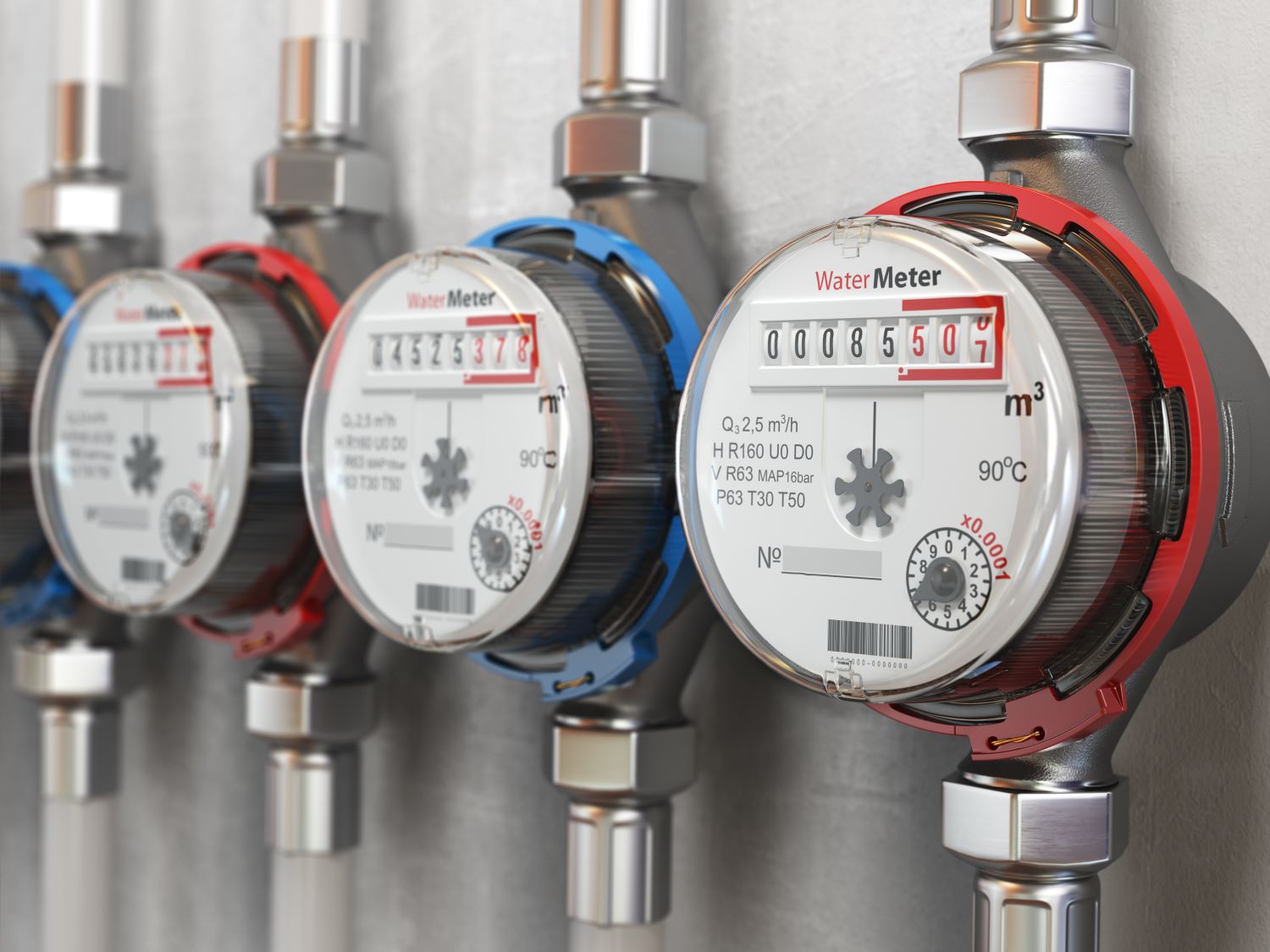
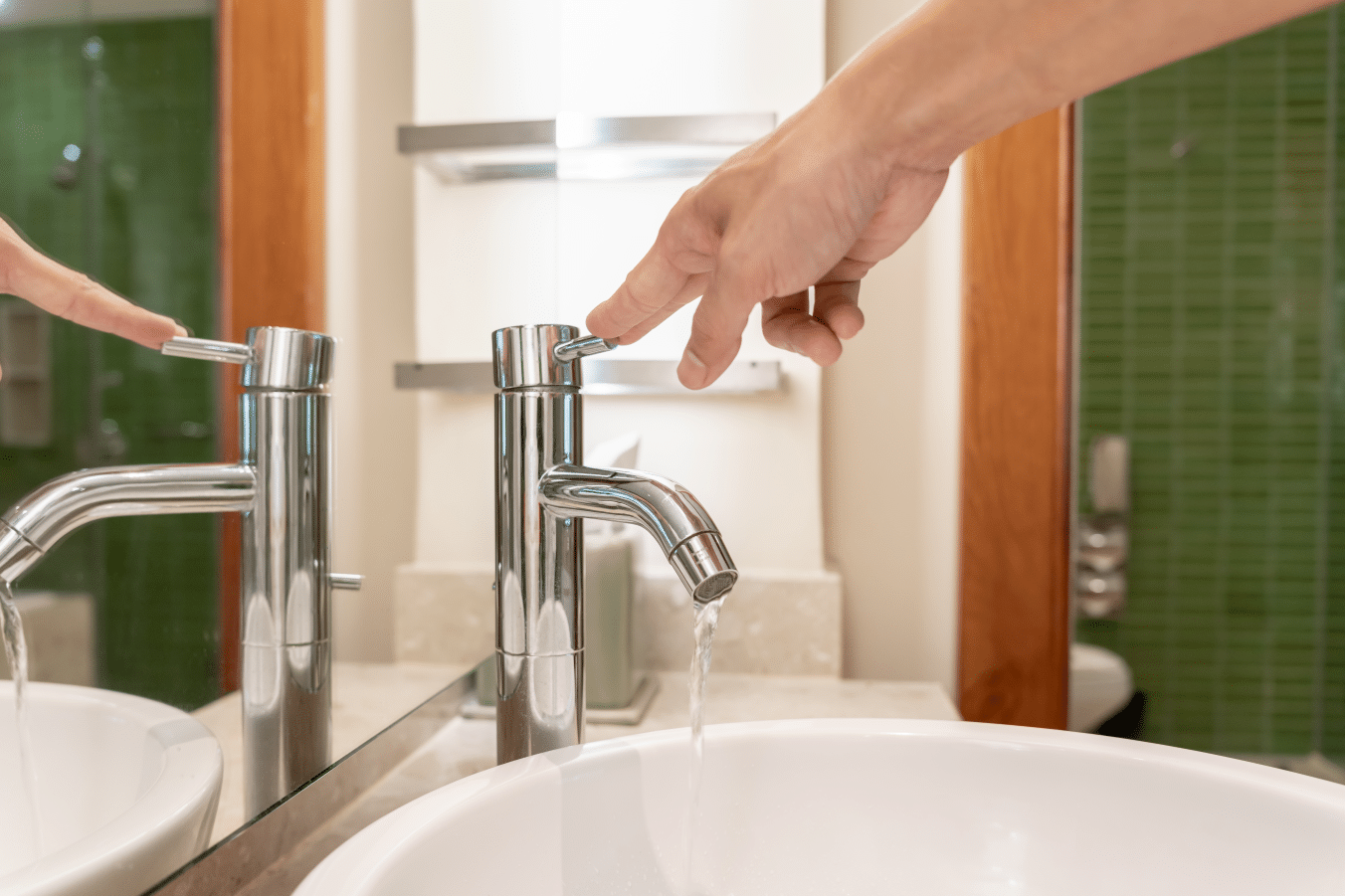
Detection of water usage, losses and overconsumption to identify optimization levers
In order to gain a clear overview of the company’s water situation, it is important to monitor its water consumption. A water audit is a key step in initiating an optimization process and adopting a circular and sustainable approach to water management.
To address the main questions before starting the project and to guide you through the various steps, it is recommended to consult a design office specialising in water. In any case, your sector representative (your chamber or federation) can also provide guidance and support.
Managing water responsibly in company outdoor spaces
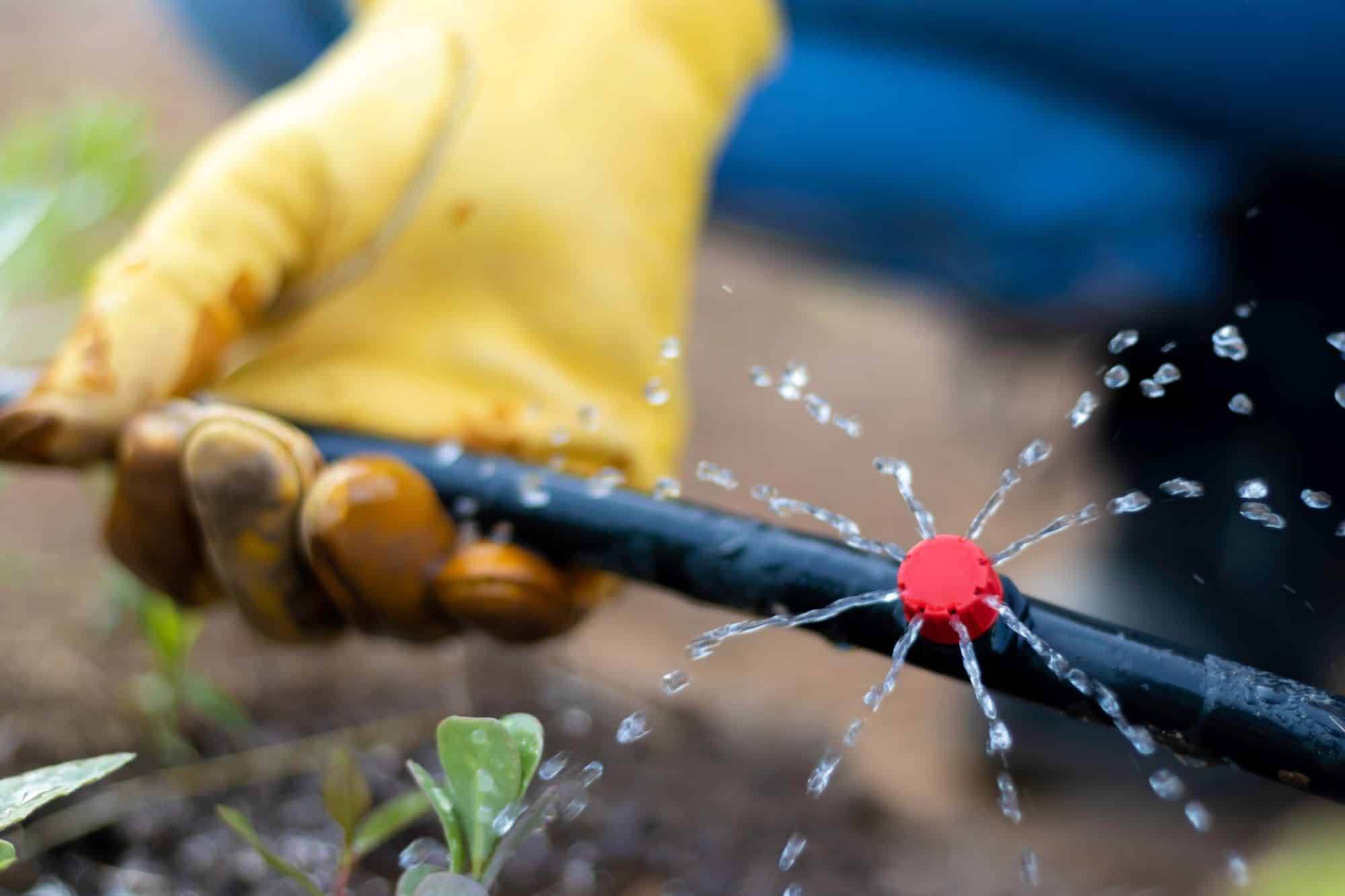
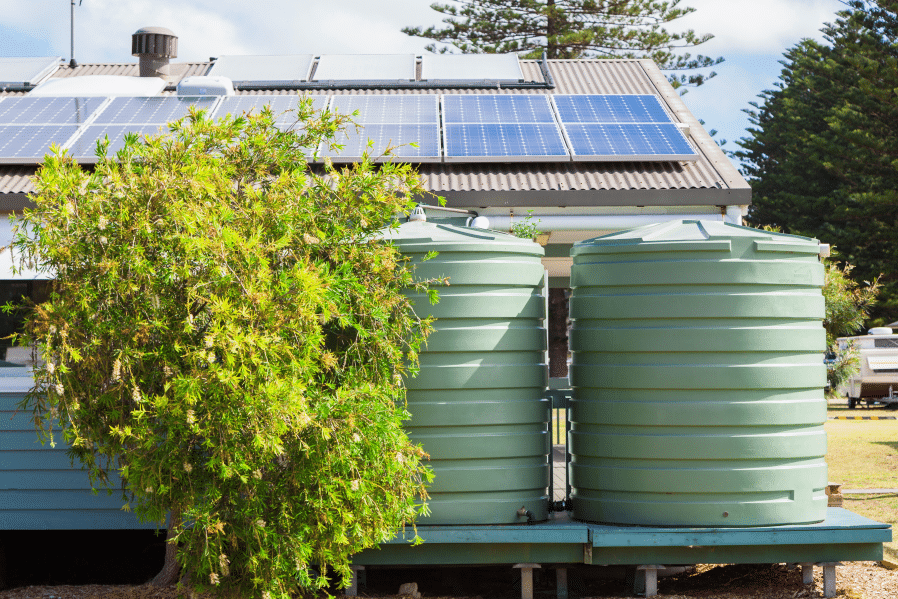
A responsible water management around company buildings is essential to reduce the environmental impact while optimising resources. By adapting landscaping and infrastructure, it is possible to preserve water resources in a sustainable way by maximising rainwater harvesting.
This measure combines water savings, biodiversity preservation and greater resilience to climate change.
Calculating your carbon footprint allows you to draw up a comprehensive inventory of the direct and indirect greenhouse gas (GHG) emissions generated by your company’s activities. This assessment supports informed decision-making aimed at reducing emissions by identifying the main sources and priority areas for action. It also allows you to communicate this information transparently, whether to meet legal obligations or on a voluntary basis, in order to demonstrate the company’s actions and commitments.
Sustainable and circular procurement is a process of acquiring goods or services which aims to maximise environmental, social and economic benefits throughout the life cycle.
By adopting sustainable and circular procurement practices, businesses contribute to a greener and more resilient economy. This also includes favouring, where possible, suppliers engaged in ecological and ethical practices, which reduces the overall environmental impact. This approach will help reduce acquisition costs in the long term as products last longer and are reused. In addition, it strengthens the company’s image by positioning it as a responsible player committed to protecting the environment and social values. By promoting these ethical and sustainable practices, companies also improve the resilience of their supply chain, making it less vulnerable to disruptions and fluctuations in resources.
Conducting a staff awareness campaign for the eco-responsible use of water
Deciding to commit to an eco-responsible water management policy in a company, or strengthening its actions in a sustainable manner in this area, requires the support and engagement of all employees.
Raising awareness is an important step in generating interest and motivating employees. It ensures that everyone understands the objectives and challenges involved, the role they have to play, and how they can contribute to the success of initiatives and the performance of actions implemented by their organisation.
This measure recommends strategies for the rational use of water in corporate facilities.
On average, water consumption per office employee is around:
30 to 40 l/day/employee
4 l/m2 of office space
These parameters are obviously highly dependent on the company’s business line, the facilities in the building and employee behaviour. Optimising water use in a building contributes to improving the environmental, economic, and functional sustainability of buildings.
Faced with ever-dwindling water resources, using rainwater represents a responsible a sustainable choice. Rainwater is a sustainable resource that can be harnessed in many ways to reduce drinking water consumption and save money.
Implementing a rainwater harvesting system supports environmental objectives by offering an ecological and responsible alternative to conventional water use
The company Gilles Tooling was founded in 2005 and produces various attachments for the motorcycle industry according to the highest standards. These include chain tensioners, footrest systems, brake and clutch levers and protectors.
In addition to private customers and retailers, the company’s customers include big names such as BMW, Yamaha, KTM, Suzuki and Polaris. The company is based in the Potaschberg industrial estate in the municipality of Grevenmacher and currently employs around 70 people. Their main activities lie in the research and development and manufacturing divisions. The latter is the area in which a large part of the electricity and heat costs originate.
Idea
Eliminating compressed air leaks with the aid of an ultrasonic camera
Due to the ongoing fluctuations in energy prices, manufacturing companies are naturally striving to control these costs as much as possible and to optimise energy savings.
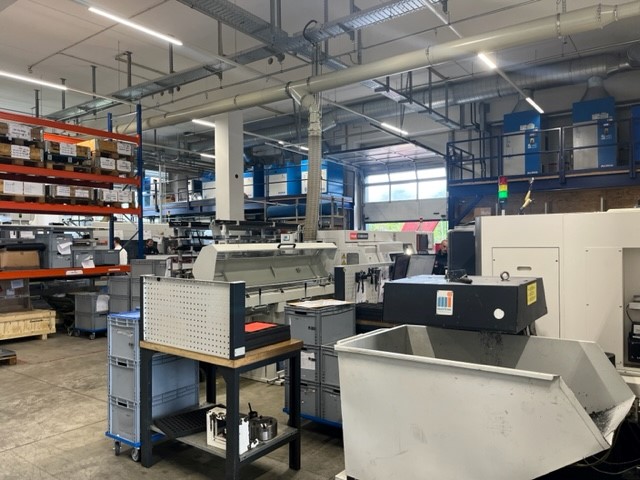
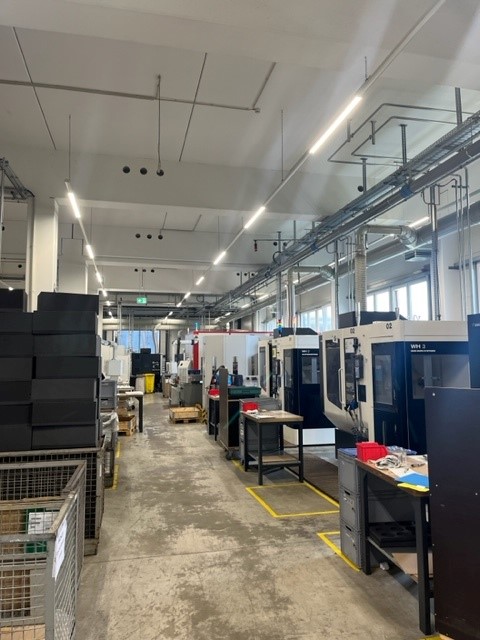
To this end, the company has examined its compressed air supply and concluded that there is considerable potential for energy savings. Compressed air is needed at every machine and at every workstation in production: predominantly for the fully automated milling machinery, but just as well for other processes such as cleaning, degassing or assembly.
The analysis showed that the continuous expansion of the production has led to a very complex compressed air network, which regularly incurs losses through leaks.
Because production operates continuously around the clock, and there is an inherent noise level in the production hall, it is not possible to audibly identify any leaks through hissing noises. Consequently, it became evident that an alternative solution was needed to identify any potential leaks.
Following research, a conclusion was reached that an ultrasonic camera would be the appropriate solution.
Design
Exchange with the House of Sustainability
The company got its first information on financial support on guichet.lu. For the acquisition of the device, which amounted to a four-digit sum, they were able to draw on the financial support of the “SME Package – Sustainability” programme. With the help of the House of Sustainability, they were able to prepare their application file in a very objective and uncomplicated manner. This included soliciting offers, completing the application and obtaining the approval message from the House of Sustainability. The contract could then be issued.
Implementation
Employing an ultrasound camera
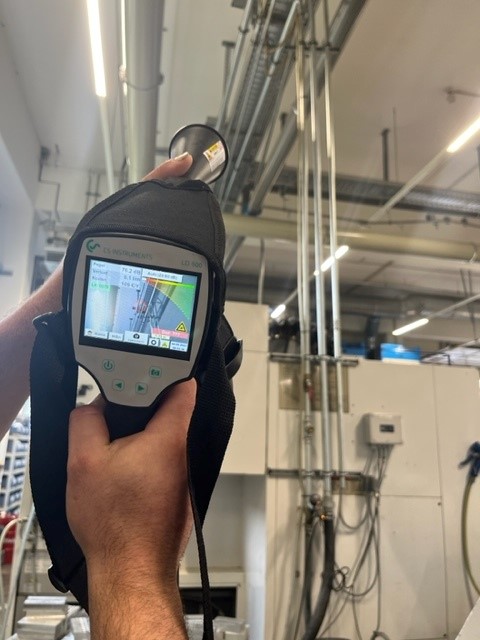
The device is easy to operate and allows the compressed air network to be inspected while the machines remain running. The camera shows an ultrasound image of the plant, on which one can see the location and extent of the leakage. Based on the resulting data, it is then possible to assess how quickly a response is needed.
The ultrasonic camera is used for both suspected leaks as well as regular maintenance of the compressed air supply.
Results
Savings on electricity bills
According to the company’s internal calculations, the cost of one cubic metre (1 m3 ) of compressed air is about 3.38 cents. At a network pressure of 8 bar, approximately 4.5 m3/h (15.21 cents) would leak from a breach of 1 mm in diameter.
Based on the company’s experience and on the leaks that have already been detected and repaired, this results in an estimated loss of 100 m3/h. This leads to losses of 3.38 €/h and a total of around 30,000 € over an entire year.
Caméra à ultrasons Gilles Tooling S.à.r.l.Gilles Tooling S.à.r.l.